
Construction work is part of daily life in New York City, but job sites can be dangerous. A fall from a scaffold or ladder, a dropped object, faulty equipment, an electrical hazard, or a structural collapse can leave a worker seriously injured in an instant. The aftermath may involve medical treatment, missed paychecks, rehabilitation, and difficult questions about what comes next.
NYC Construction Accident Lawyers helps injured construction workers understand their rights and the compensation that may be available under New York law.
If you or a family member was hurt on a construction site, a New York City construction accident lawyer can explain the next steps. Depending on how the accident happened, you may have options beyond workers’ compensation, including a potential claim against a property owner, general contractor, subcontractor, equipment manufacturer, or another responsible party.
Construction accident claims often turn on details that are easy to overlook: who controlled the work area, which companies were on site, what safety equipment was provided, whether a dangerous condition had been reported, and what contracts governed the project. A claim may also involve workers’ compensation, liability insurance, and New York construction-safety laws.
Our team reviews those facts, identifies parties that may be legally responsible, and explains the available options in straightforward terms.
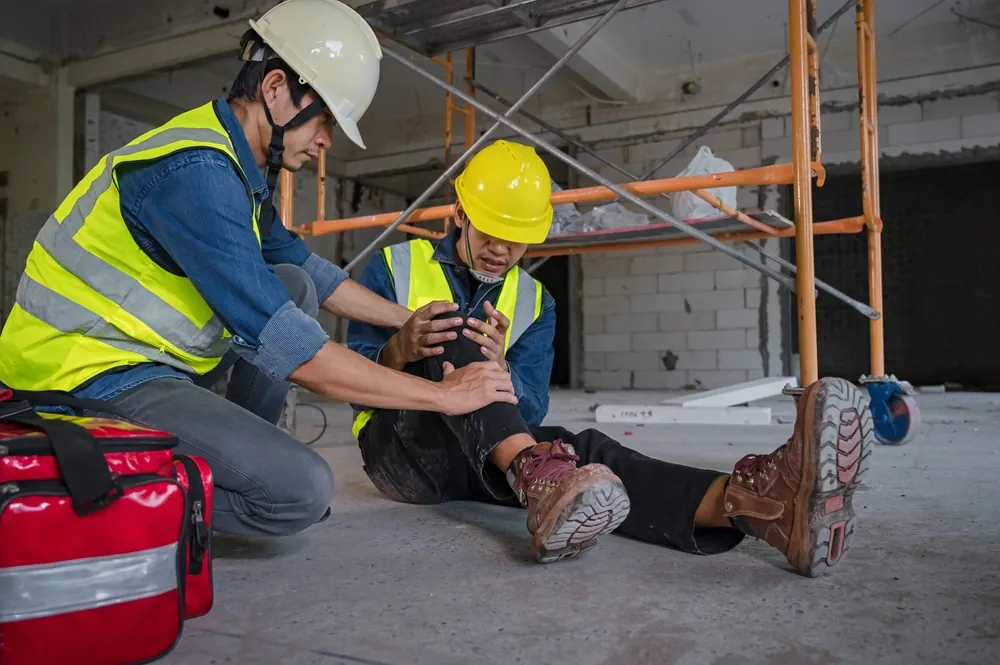
Construction accidents can cause serious or life-changing injuries, including:
Some injuries are apparent at the scene, while others worsen over the following hours or days. Seek appropriate medical care first. After your immediate needs are addressed, consider speaking with a lawyer before giving a recorded statement or signing settlement papers presented by an insurer.
New York City construction sites bring together multiple crews, heavy equipment, machinery, and materials in limited spaces. When equipment fails, safety measures are inadequate, supervision breaks down, or one company creates a hazard for another crew, the consequences can be severe.
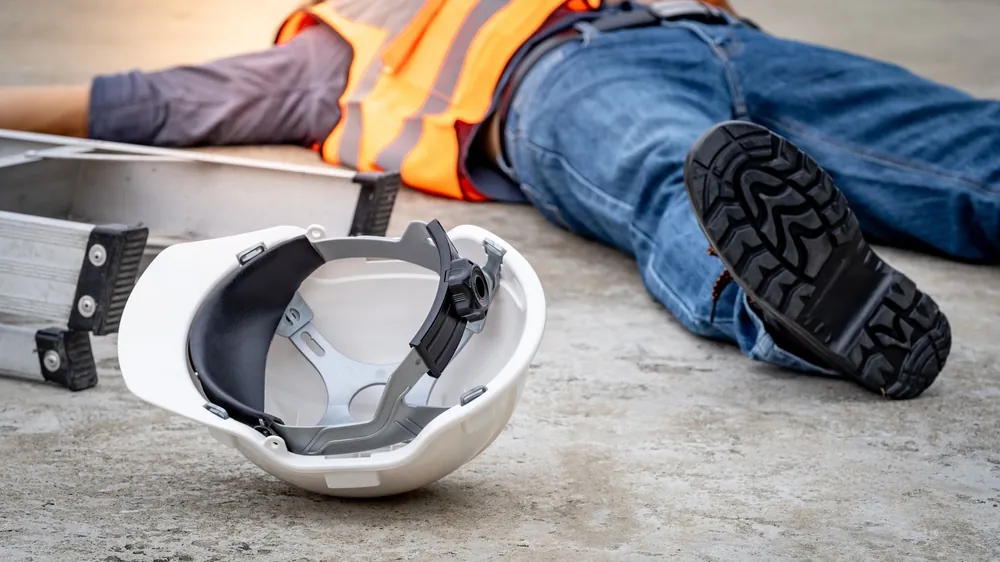
Falls are among the most serious hazards on construction sites. Workers may fall from scaffolds, ladders, roofs, elevated platforms, construction elevators, or unprotected openings.
New York law and federal safety rules address certain height-related hazards and protective measures. Whether a particular law applies depends on the work being performed and the circumstances of the accident.
More on construction fallsScaffolds are common on renovation and construction projects throughout New York City. They can become dangerous when they are improperly assembled, inadequately secured, placed on unstable surfaces, or built with defective components.
After a scaffold injury, an attorney can examine the site, contracts, safety practices, and available evidence to determine whether an owner, contractor, or another party may be legally responsible.
More on scaffold accidentsLadders may fail because they are defective, improperly positioned, inadequately secured, or unsuitable for the work being performed. Even a fall from a relatively modest height can cause significant injuries.
Details such as who supplied the ladder, where it was placed, whether it shifted, and what safety devices were available can affect the legal analysis.
More on ladder accidentsTools, materials, and debris falling from above can injure workers and bystanders. Head injuries, fractures, deep cuts, and other serious harm may result even when the object itself is relatively small.
A prompt investigation may help establish how the object was stored or secured, what overhead protection was in place, and whether applicable safety requirements were followed.
More on falling objectsCranes, forklifts, hoists, excavators, and power tools are essential on many job sites, but failures involving maintenance, inspection, training, or operation can cause devastating injuries.
Relevant evidence may include maintenance and inspection records, operating manuals, safety procedures, photographs, video, and accounts from coworkers who witnessed the incident.
More on crane and forklift accidentsExposed wiring, energized equipment, poor grounding, and contact with power lines can cause burns, electrocution, secondary falls, or death.
Because electrical work may involve several contractors and utility providers, responsibility is not always obvious. The site layout, assigned duties, contracts, and control of the electrical system may all matter.
More on electrocution accidentsNew York law gives injured construction workers several possible avenues for relief, including workers’ compensation, negligence claims, and protections under the Labor Law. Which path applies depends on the type of work, the cause of the accident, and the parties involved.
New York Labor Law § 240, often called the Scaffold Law, addresses specified elevation-related risks and requires certain protective devices for covered work. Whether § 240 applies depends on the facts and the type of work being performed.
New York Labor Law § 241 addresses safety requirements for construction, excavation, and demolition work. Claims involving § 241 can depend on the work underway and the specific safety requirements implicated by the accident.
Construction injury cases are highly fact-dependent. A lawyer familiar with New York construction litigation can review the accident, the work being performed, the companies involved, and the available evidence before assessing potential claims.
Workers’ compensation may provide benefits for a job-related injury, including medical care and a portion of lost wages, subject to the rules of the system. The New York State Workers’ Compensation Board provides official information about benefits and filing a claim.
A separate personal injury claim may sometimes be available against someone other than the injured worker’s employer—for example, a property owner, general contractor, subcontractor, or equipment manufacturer. Whether a third-party claim exists depends on who was responsible for the work or condition involved and what caused the injury.
To evaluate those possibilities, a lawyer may examine the employer, property owner, contractors, scope of work, accident mechanism, project contracts, insurance coverage, and relevant safety requirements.
The hours and days after an accident can be chaotic. These practical steps can protect your health and help preserve information that may later be important:
Seek medical attention: Get emergency care when needed and follow your medical provider’s treatment plan. Keep copies of diagnoses, prescriptions, therapy records, bills, and follow-up instructions.
Report the accident: Tell the appropriate supervisor or employer what happened as soon as reasonably possible and follow the site’s reporting procedures. Keep a copy of any report you complete.
Document the scene: If you can do so safely, photograph or record the area, equipment, barriers, warning signs, and visible injuries. Construction sites can change quickly.
Identify witnesses: Write down the names and contact information of anyone who saw the incident or knew about the hazard.
Keep important records: Save medical bills, pay stubs, accident reports, emails, photographs, and insurance correspondence.
Speak with a construction accident attorney: Before giving a detailed statement about fault or accepting a settlement, consider having an attorney review the accident, potential claims, and applicable deadlines.
Construction cases often involve several companies, overlapping insurance policies, project contracts, and technical safety rules. An attorney can conduct an independent investigation and preserve evidence rather than relying only on an employer’s or insurer’s account of what happened.

A construction accident lawyer may investigate:
Federal construction-safety resources are also available through OSHA. The legal significance of a safety rule or violation depends on the facts and the claims at issue.
The goal of an investigation is to build the case from records, physical evidence, applicable law, and witness accounts—not assumptions about how the accident occurred.
Available compensation depends on the claims, injuries, and evidence. In a personal injury case, recoverable damages may include medical expenses, lost income, reduced future earning capacity, pain and suffering, and other losses allowed by law.
The value of a case may be affected by the nature of the injury, prognosis, treatment needs, time away from work, applicable legal rules, available insurance, and the long-term effect on the worker’s life.
No attorney can responsibly guarantee a result at the outset. A meaningful case evaluation begins with the facts, governing law, insurance coverage, and evidence that can be preserved.
A serious injury can affect far more than the injured body part. It may keep a worker off the job, reduce household income, limit independence, and change everyday family routines.
Medical appointments, rehabilitation, transportation, childcare, and ordinary bills can suddenly become harder to manage. With a permanent or catastrophic injury, those pressures may continue for years. A legal claim cannot reverse the accident, but it may provide compensation for losses recognized under New York law.
Legal deadlines apply to construction injury claims, and evidence can disappear as a project moves forward. Equipment may be relocated, conditions may be repaired, surveillance footage may be overwritten, and witnesses may move to other job sites.
An early consultation can give counsel an opportunity to identify the companies involved, request records, preserve photographs or equipment evidence, and evaluate the claims that may be available. The applicable deadline depends on the type of claim and the parties involved, so timing should be reviewed based on the specific facts.
Possibly. Workers’ compensation may provide benefits for a workplace injury, while a separate lawsuit may be available against a property owner, contractor, manufacturer, or another third party. The facts determine whether both avenues are available.
An employer’s opinion does not by itself resolve the legal issues. Responsibility on a construction site may involve multiple parties and legal rules that depend on the type of work and the circumstances of the accident. An attorney can review the details.
A third-party claim may be possible if another contractor’s work, equipment, or conduct contributed to the injury. Evaluating that issue can require a close look at the companies’ roles, contracts, and control of the work area.
Speak with a lawyer promptly. Different claims can have different deadlines, and delay may make evidence harder to obtain. An attorney can review when the accident occurred, who may be responsible, and which time limits may apply.
Surviving family members may have rights to workers’ compensation death benefits, a wrongful death claim, or other remedies depending on the circumstances. These matters have specific requirements and deadlines and should be reviewed promptly.
If you or a family member suffered a construction-related injury in New York City, you have the right to understand your legal options before dealing with insurers or signing settlement documents.
NYC Construction Accident Lawyers represents people hurt in falls, scaffold and ladder incidents, falling-object accidents, equipment failures, electrical accidents, and other serious job-site incidents.
Our law firm can investigate what happened, identify the companies and insurers involved, explain the legal process, and pursue available remedies when the facts support a claim.
Contact NYC Construction Accident Lawyers to discuss the accident and your next steps.