
Construction fires, explosions, electrical incidents, hot work, steam, chemicals, and heated materials can cause severe burns in seconds. On a New York City job site, these accidents may involve electricians, welders, laborers, plumbers, roofers, demolition crews, equipment operators, and other workers who are exposed to ignition sources or dangerous heat while a building is under construction, repair, alteration, or demolition.
An NYC construction fire and burn injury lawyer can investigate how the incident started, whether required safety measures were in place, and which companies controlled the work or hazard. Depending on the facts, an injured worker may have a workers’ compensation claim and may also need to evaluate New York Labor Law, negligence, or product-liability claims against parties other than the direct employer.
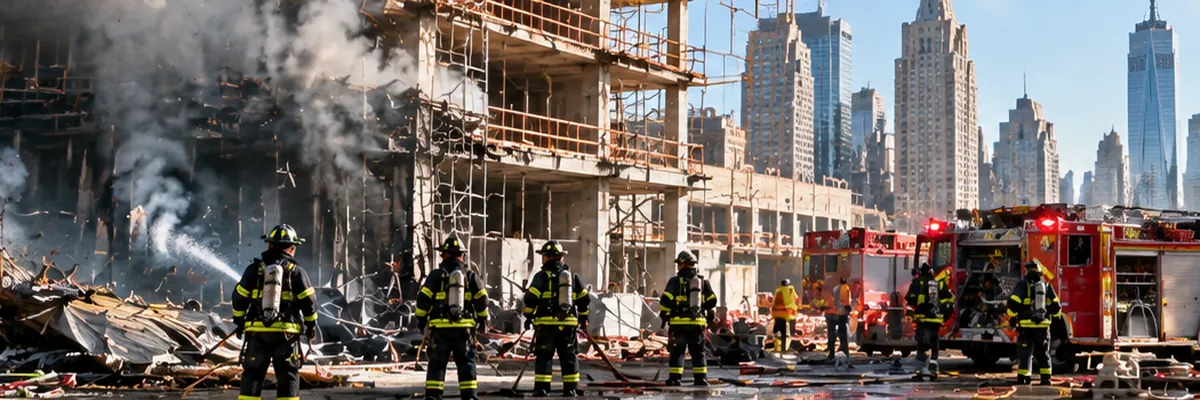
Construction sites can contain temporary electrical systems, welding and cutting operations, fuel, compressed gases, flammable liquids, temporary heaters, combustible debris, roofing materials, chemicals, and unfinished fire-protection systems. A single unsafe condition can become more dangerous when several trades are working in the same area.
Common incidents include welding or cutting sparks igniting nearby materials, electrical arcs, damaged wiring, fuel fires, gas-cylinder incidents, explosions, chemical burns, contact with hot surfaces, steam releases, and fires that spread because exits or suppression equipment are inadequate.
OSHA requires employers to develop and maintain an effective fire-protection and prevention program throughout construction, repair, alteration, and demolition work. Its construction fire-protection rules also require appropriate firefighting equipment and require access to that equipment to be maintained.
OSHA’s fire-prevention standard addresses ignition hazards and other conditions. Separate construction standards govern matters such as flammable liquids, liquefied petroleum gas, temporary heating devices, welding and cutting, electrical work, personal protective equipment, and emergency planning. The standards relevant to an accident depend on how the fire or burn occurred.
Welding, cutting, brazing, and similar hot work can expose workers to flames, sparks, hot slag, ultraviolet radiation, fumes, and fire hazards. Nearby workers may also be endangered when sparks travel into combustible material or hot work is performed near flammable substances.
After a hot-work fire, an investigation may examine permits or authorizations, fire-watch procedures, combustible-material controls, ventilation, gas cylinders, welding equipment, protective clothing, extinguishers, training, and whether the area was inspected before and after the work.
Electrical incidents can produce thermal burns as well as injuries from electric current. Arc events can generate intense heat, and electrical contact can also cause falls or other secondary injuries. Construction workers do not need to be electricians to encounter an electrical hazard.
Evidence may include damaged cords or tools, electrical panels, temporary wiring, circuit information, photographs, inspection records, lockout or deenergization information, and witness accounts. Electrical components should be preserved and evaluated safely by qualified personnel when their condition may help explain the accident.
Burn injuries can damage skin and deeper tissue and may require emergency treatment, surgery, grafting, rehabilitation, and long-term follow-up care. Serious burns may also be accompanied by smoke inhalation, respiratory injuries, infections, scarring, nerve damage, reduced mobility, or psychological effects.
Chemical and electrical burns can present differently from ordinary thermal burns. Anyone exposed to significant heat, electricity, smoke, or chemicals should obtain appropriate medical evaluation rather than relying only on the appearance of the injury at the scene.
New York Labor Law may be relevant when a fire or burn occurs during construction, excavation, demolition, repair, or related work. Labor Law § 241 imposes safety requirements for covered construction, excavation, and demolition work, and § 241(6) claims can depend on a sufficiently specific Industrial Code provision applicable to the accident.
Other legal theories may apply depending on the source of the hazard and the roles of the property owner, general contractor, construction manager, subcontractors, equipment companies, and other entities. The existence of a serious burn does not by itself establish liability; the facts and applicable legal duties must be investigated.
An employee injured because of a work-related fire or burn may be eligible for New York workers’ compensation benefits. The Workers’ Compensation Board states that benefits can pay for medical care and provide some wage replacement when an injury prevents the worker from working or reduces earnings.
The Board instructs injured workers to notify their employer within 30 days and to file an Employee Claim, Form C-3, as soon as possible. For an accidental injury, the Board states that Form C-3 generally must be filed within two years of the accident. Exceptions and different rules can apply.
Potentially. Workers’ compensation and a third-party personal injury action are different legal avenues. A third-party claim may be considered when someone other than the direct employer bears legal responsibility for the fire, explosion, electrical hazard, defective product, or other condition that caused the injury.
Potentially relevant parties can include property owners, general contractors, subcontractors, equipment manufacturers, suppliers, maintenance companies, or other entities. Contracts, control over the work, ownership of equipment, safety responsibilities, and the actual cause of the incident help determine which parties should be investigated.
Fire scenes can change rapidly because emergency response, cleanup, repairs, and investigations may alter the area. Preserving evidence early can be important, particularly when equipment, wiring, cylinders, tools, heaters, or other physical items may have contributed to ignition.
Useful evidence may include photographs and video, fire-department or incident records, witness statements, site-safety documents, hot-work records, equipment inspection and maintenance records, contracts, surveillance footage, electrical information, chemical safety information, and damaged products. Depending on the case, fire-origin, electrical, engineering, medical, or other experts may assist.
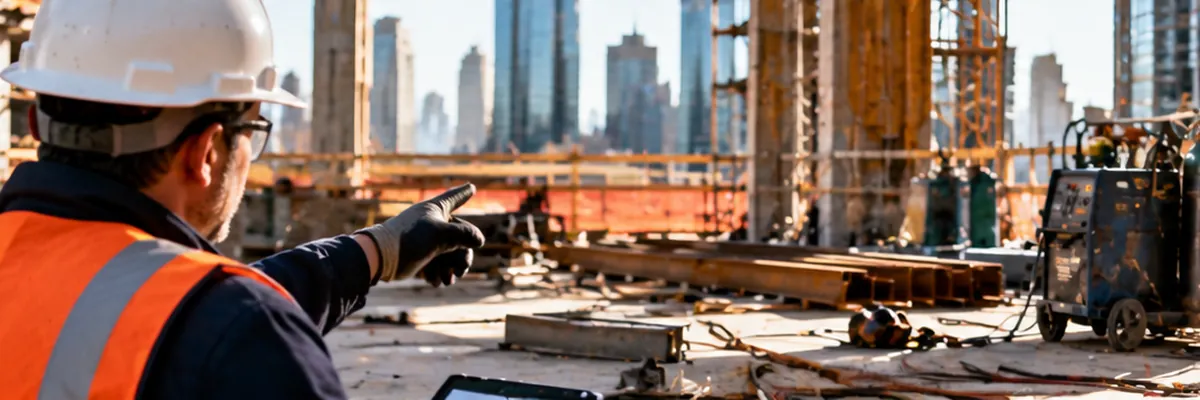
Obtain emergency and follow-up medical care appropriate to the exposure, and report the accident through required workplace procedures. Preserve medical records, accident reports, wage information, workers’ compensation documents, photographs, and communications about the incident.
If your condition permits, identify witnesses and preserve information about the work being performed and equipment involved. Do not re-enter a fire area, handle damaged electrical equipment, approach leaking cylinders, or contact hazardous chemicals simply to gather evidence.
Consider obtaining legal advice before signing a release or providing a detailed recorded statement to an insurer or another party whose interests may differ from yours.
Severe burns can affect a worker’s ability to return to construction and may create substantial medical and rehabilitation needs. Depending on the legal claim, recoverable benefits or damages may address medical care, wage loss, reduced earning capacity, pain and suffering, scarring or disfigurement, and other legally recognized losses.
The compensation available depends on the type of claim, injury severity, medical evidence, liability, insurance, employment consequences, and other case-specific facts. No particular recovery can be determined solely from the degree or appearance of a burn.
If you suffered burns in a construction fire, explosion, electrical incident, welding accident, chemical exposure, or other job-site event, NYC Construction Accident Lawyers can review the circumstances and explain the legal options supported by the facts.
Contact the firm for a confidential consultation regarding workers’ compensation and any potential third-party construction accident claims.