
Forklifts are essential on construction sites, warehouses, loading docks, and other workplaces throughout New York City. But when a forklift is operated unsafely, inadequately maintained, overloaded, or used in a hazardous work area, workers and pedestrians can suffer serious injuries.
NYC Construction Accident Lawyers represents people injured in construction and workplace accidents. We investigate how forklift accidents occur, identify potentially responsible parties, and explain the compensation and legal options that may be available under New York law.
Forklift accidents can result from operator error, inadequate training, unsafe worksite conditions, equipment defects, or several contributing factors. Unsafe speed, limited visibility, unstable loads, overcrowded work areas, uneven surfaces, unsafe ramps, and poor pedestrian separation can all increase accident risks.
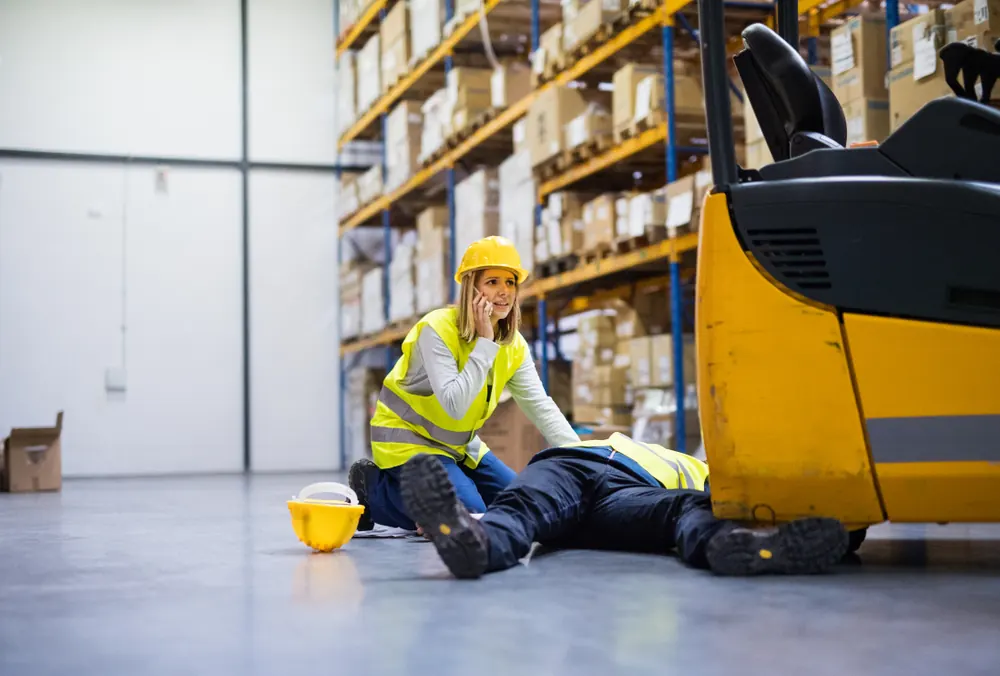
Forklift operators require appropriate training and evaluation. Speeding, driving with an obstructed view, failing to watch for pedestrians, carrying an unstable load, or using equipment for an unintended purpose can contribute to a serious accident.
An improperly positioned, unbalanced, or excessive load can affect a forklift’s stability and visibility. A load may fall, the forklift may tip, or the operator may collide with another worker or piece of equipment.
Forklifts require inspection and maintenance. Worn tires, defective brakes, steering problems, mechanical failures, or other equipment defects can contribute to an accident. Depending on the circumstances, a maintenance provider, rental company, or manufacturer may become relevant to the investigation.
Forklift accidents can cause broken bones, crush injuries, traumatic brain injuries, spinal cord injuries, back and neck injuries, internal injuries, amputations, and other serious harm. Some injuries require emergency care, surgery, hospitalization, rehabilitation, or long-term treatment.
A serious injury may also affect a worker’s ability to return to the same occupation or earn the same income.
Responsibility depends on the facts. Potentially relevant parties may include an employer, property owner, general contractor, subcontractor, equipment rental company, maintenance provider, or forklift manufacturer.
Identifying the companies involved and determining who controlled the equipment, work area, training, maintenance, and safety procedures can be an important part of the investigation.
Workers injured in the course of employment may be eligible for New York workers’ compensation benefits, including medical care and wage-replacement benefits subject to the rules of the system.
Workers’ compensation may not be the only potential source of recovery. In some circumstances, an injured worker may also have a third-party claim against a property owner, contractor, equipment company, manufacturer, or another party whose conduct contributed to the accident.
Forklifts frequently operate near cranes, trucks, excavators, stored materials, and workers on foot. Changing site conditions and limited visibility can create additional hazards.
Evidence such as safety policies, operator-training records, inspection and maintenance records, photographs, video, witness statements, accident reports, and construction contracts may help establish how the accident occurred.
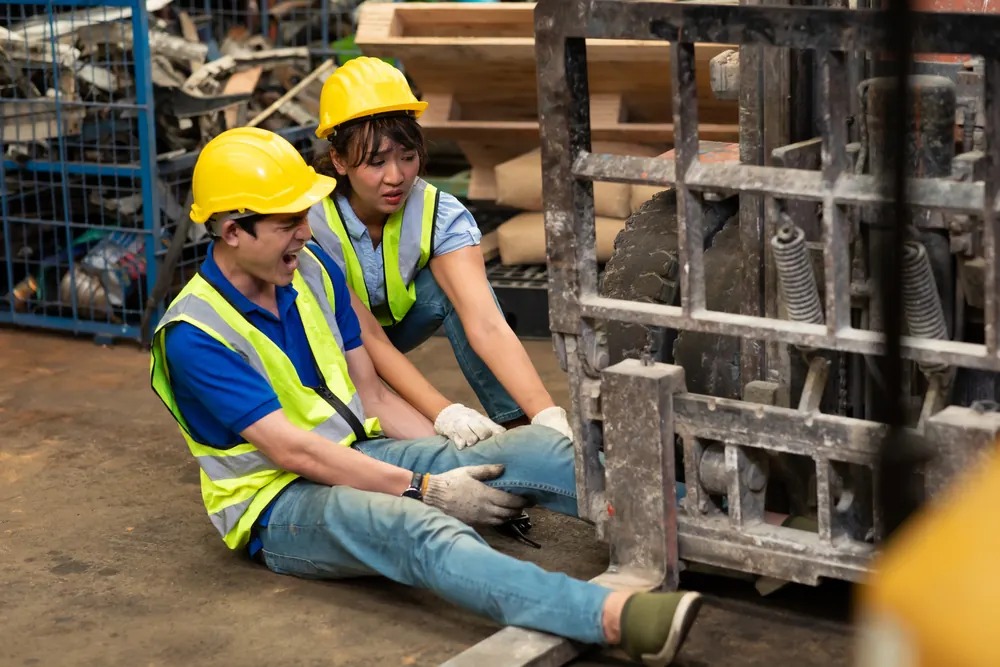
An operator’s mistake may be one part of an accident without explaining the entire event. Inadequate training, unsafe instructions, production pressure, poor supervision, defective equipment, or dangerous site conditions may also contribute.
A complete investigation should examine the full chain of events rather than automatically assuming that the operator alone was responsible.
A lawyer can investigate the accident, preserve evidence, identify potentially responsible parties, communicate with insurers, and evaluate the losses supported by the evidence. Depending on the case, engineers, medical professionals, accident-reconstruction specialists, vocational experts, or other qualified professionals may also be consulted.
Equipment can be repaired or replaced and worksites can change quickly, making timely evidence preservation important.
Seek appropriate medical attention and report the accident through the required workplace procedures. When possible, preserve photographs of the forklift and surrounding area, identify witnesses, and keep accident reports, medical records, bills, wage information, and insurance correspondence.
Before giving a detailed recorded statement or signing settlement documents, consider obtaining legal advice so you understand the claims and rights that may be involved.
Depending on the type of claim and the available evidence, recoverable losses may include medical expenses, lost income, reduced future earning capacity, pain and suffering, disability, and other damages recognized by law. Workers’ compensation benefits and third-party damages are governed by different rules.
The value and viability of any claim depend on the injuries, evidence, applicable law, insurance coverage, and parties involved.
If you or a family member was injured in a forklift accident in New York City, NYC Construction Accident Lawyers can review what happened, explain potential workers’ compensation and third-party issues, and discuss the next steps.
Contact the firm for a free consultation.