
Scaffolding is essential to construction throughout New York City, but elevated work can expose workers to serious hazards. Falls from scaffold platforms, scaffold collapses, falling objects, unstable components, and defective equipment can cause traumatic brain injuries, spinal injuries, fractures, internal injuries, and other severe harm.
If you were injured while working on or around scaffolding in New York City, workers’ compensation may not be the only issue to evaluate. New York Labor Law provides protections for certain workers exposed to elevation-related construction risks. NYC Construction Accident Lawyers can investigate the accident, identify potentially responsible parties, and explain the claims supported by the facts.
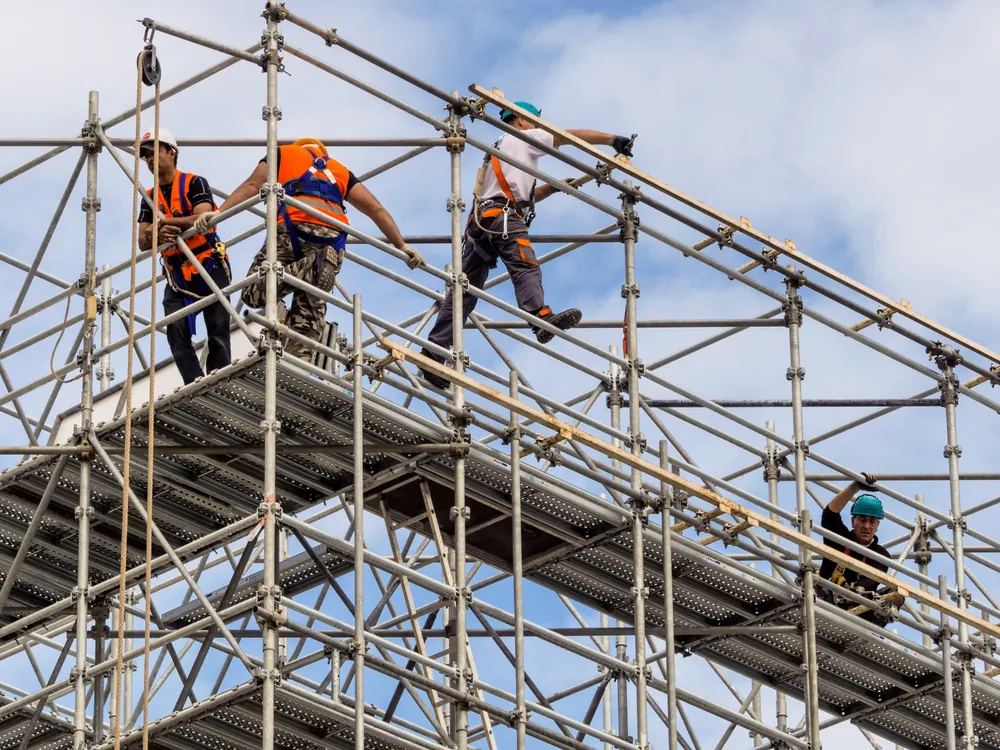
New York Labor Law § 240(1), often called the Scaffold Law, addresses certain elevation-related hazards in specified construction activities. The statute requires covered contractors, owners, and their agents to furnish or erect safety devices such as scaffolding, hoists, stays, ladders, slings, hangers, blocks, pulleys, braces, irons, and ropes so they are constructed, placed, and operated to provide proper protection.
The statute applies to specified work such as erection, demolition, repairing, altering, painting, cleaning, and pointing of a building or structure. Whether § 240(1) applies to a particular scaffold accident depends on the work, the elevation-related risk, the safety devices provided, and other case-specific facts.
Scaffold accidents can involve falls from platforms, falls through openings, missing or inadequate guardrails, collapsing platforms, shifting or broken planks, unstable scaffolding, suspended scaffold or swing-stage failures, unsafe access, falling objects, overloaded scaffolds, improper assembly, electrical contact, and inadequate fall protection.
OSHA’s scaffold rules address hazards including falls, falling objects, structural instability, electrocution, and overloading. The exact safety requirements depend on the scaffold type and work being performed.
A fall from scaffolding may involve impact with the ground, another platform, structural components, equipment, or debris. Injuries can include traumatic brain injuries, spinal cord injuries, paralysis, neck and back injuries, broken bones, pelvic and hip fractures, internal injuries, shoulder and knee injuries, nerve damage, crush injuries, and permanent disabilities.
Severe scaffold accidents can also be fatal. The medical and financial effects may continue long after the initial emergency treatment.
Labor Law § 240(1) is especially relevant to certain gravity-related construction risks. When covered work involves an elevation hazard, the adequacy and placement of the scaffold or other safety device can become central issues.
Not every scaffold accident automatically establishes liability. The task being performed, the parties involved, the nature of the elevation risk, the safety equipment available, and how the accident occurred must be evaluated.
Depending on the project and legal theory, potentially relevant parties can include property owners, general contractors, construction managers, subcontractors, scaffold contractors, equipment companies, manufacturers, and other entities involved in the work or equipment.
An investigation may review construction contracts, work assignments, accident reports, photographs and video, witness statements, inspection records, safety documentation, equipment records, and medical and wage information.
Scaffolds can be repaired, altered, dismantled, or removed shortly after an accident. Site conditions can change and video may be overwritten. Preserving evidence promptly can therefore be important.
Relevant evidence may include scaffold inspection records, site-safety documentation, OSHA or NYC Department of Buildings records, construction contracts, work orders, witness statements, accident reports, maintenance records, prior violations, photographs, and surveillance footage.
New York City regulates scaffolds as construction equipment and Chapter 33 of the NYC Construction Code contains safeguards for construction and demolition work. NYC requirements can address scaffold condition, capacity, loads, installation, and other safety issues depending on the scaffold and project.
Federal OSHA scaffold standards also impose detailed requirements. OSHA generally requires fall protection for an employee on a scaffold more than 10 feet above a lower level, with the required protection varying by scaffold type.
Seek appropriate medical attention and report the accident through the required workplace procedures. Keep copies of accident reports or written communications when available.
If your condition and safety permit, photograph the scaffold, platform, access points, guardrails, safety equipment, surrounding work area, and visible hazards. Preserve witness information, medical records, wage information, and project details. Do not alter or discard equipment that may be evidence.
Before giving a detailed recorded statement to an insurer or signing a settlement release, consider obtaining legal advice about your rights and the effect of the requested statement or document.
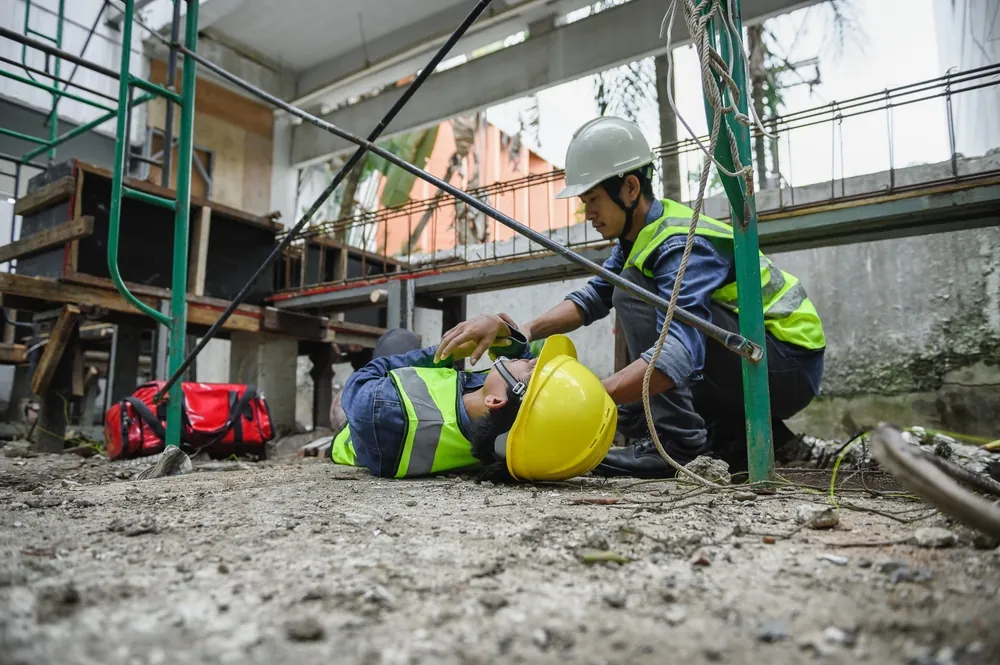
The compensation available depends on the claims, injuries, evidence, and applicable law. A personal injury action may involve medical expenses, future treatment, lost earnings, reduced earning capacity, rehabilitation costs, pain and suffering, disability, and other legally recognized losses.
No particular outcome or case value can be determined from the fact that a scaffold accident occurred. The legal and damages analysis is case-specific.
A worker injured in the course of employment may be eligible for New York workers’ compensation benefits. Depending on the project and accident, there may also be a separate third-party claim against an owner, contractor, equipment company, manufacturer, or another legally responsible party.
Whether a third-party claim exists requires reviewing the worker’s employer, project participants, contracts, accident circumstances, and applicable Labor Law or negligence theories.
Scaffold accident cases can involve multiple contractors, insurers, specialized New York Labor Law questions, and rapidly changing evidence. A lawyer can investigate independently, preserve evidence, identify project participants, obtain relevant records, interview witnesses, evaluate applicable safety requirements, document damages, and communicate with insurers.
Questions may include whether the scaffold was properly assembled and maintained, whether adequate fall protection was provided, whether it was overloaded, who owned and controlled the project, who supplied the scaffold, and whether a defective or inadequate safety device contributed to the accident.
If you were injured after falling from scaffolding, struck by an object from a scaffold, or hurt because a scaffold or safety device failed, NYC Construction Accident Lawyers can review the circumstances and explain the legal options supported by the evidence.
Contact the firm for a confidential consultation about a New York City scaffold accident.