
Legal Help After a Construction Site Fall in New York City
Falls are among the most serious hazards on New York City construction sites. A worker can be injured after falling from a scaffold, ladder, roof, steel structure, elevated platform, floor opening, or other work area. These accidents can cause fractures, traumatic brain injuries, spinal injuries, permanent disability, and fatal injuries.
At NYC Construction Accident Lawyers, we represent construction workers injured in falls and families affected by fatal construction accidents. Determining legal responsibility may require examining the property owner, general contractor, subcontractors, safety practices, equipment, and the circumstances of the work being performed.
If you were injured in a construction fall, a New York City construction fall lawyer can review the accident, explain the claims that may be available, and identify important deadlines and evidence.
Construction falls can happen in many ways, and even a fall from a relatively modest height can cause a serious injury. Common fall scenarios include:
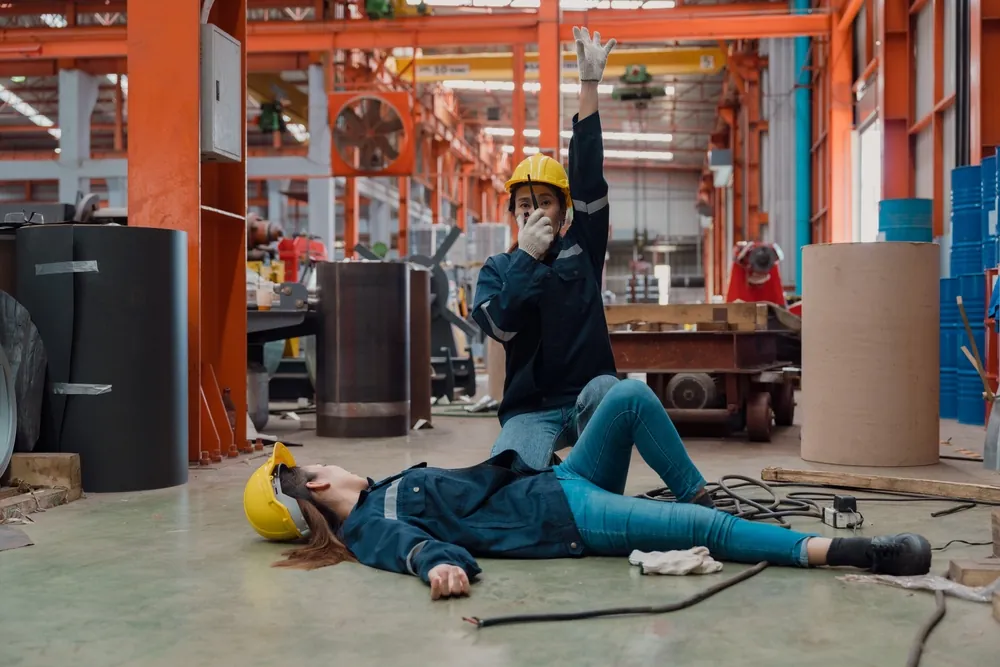
The cause of the fall matters. A scaffold may have been improperly assembled, a ladder may have shifted or failed, a required safety device may have been unavailable, or an opening may have lacked appropriate protection. Those details can affect which laws and potential claims apply.
New York Labor Law § 240, commonly called the Scaffold Law, addresses certain elevation-related risks in covered construction work. The statute requires covered owners and contractors to furnish or erect specified safety devices so they provide proper protection to workers performing qualifying work.
A fall does not automatically establish a claim under Labor Law § 240. Whether the law applies depends on the work being performed, the elevation-related risk, the safety devices provided, the parties involved, and other facts. A construction fall attorney can evaluate whether § 240 or another New York law may apply to a particular accident.
A construction fall may result from one safety failure or from several hazards occurring at the same time. Common issues include inadequate fall protection, unstable equipment, unsafe walking surfaces, and unprotected openings.
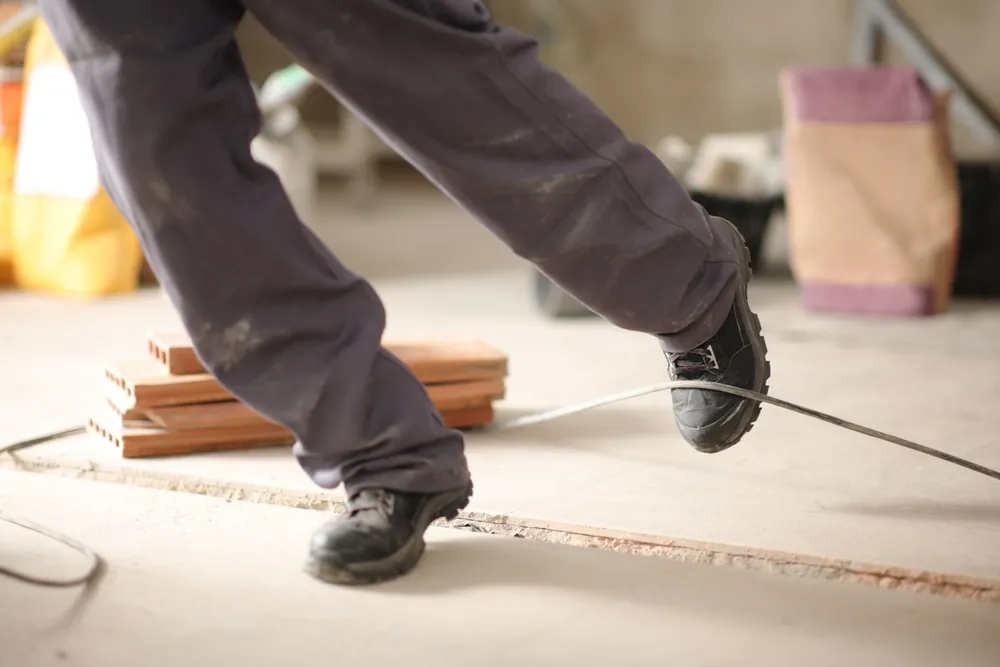
Depending on the work and hazard, fall protection can involve guardrails, safety nets, personal fall-arrest systems, lifelines, scaffolds, ladders, or other protective equipment. OSHA maintains construction fall-protection standards and guidance addressing many of these hazards.
Scaffolds can become dangerous when they are improperly assembled, inadequately supported, missing components, overloaded, poorly maintained, or otherwise unsuitable for the work being performed.
A ladder may shift, collapse, break, or become unstable. Important facts can include the ladder type, surface, placement, condition, securing method, and whether a different safety device should have been provided.
Construction sites can contain floor, roof, stairwell, shaft, and other openings. Missing or inadequate covers, guardrails, or warnings can expose workers to serious fall hazards.
Water, debris, cables, tools, construction materials, ice, mud, and poor housekeeping can create dangerous walking and working surfaces and can contribute to a fall.
Unexpected movement or failure of a platform, hoist, lift, scaffold component, ladder, or other equipment can raise questions about inspection, maintenance, installation, operation, and product condition.
The injuries caused by a construction fall can range from fractures to catastrophic trauma. The severity often depends on the height of the fall, the surface or object struck, protective equipment, and the worker’s medical condition.
Medical treatment, rehabilitation, time away from work, and long-term limitations can all become important when evaluating the losses associated with an accident.
Construction projects often involve multiple companies. Depending on the facts and applicable law, potentially responsible parties may include:
An investigation may examine contracts, control of the work area, safety responsibilities, equipment ownership, accident reports, and the specific work underway. An injured worker’s employer may also have separate obligations under the workers’ compensation system.
An employer, contractor, or insurance carrier may argue that an injured worker caused or contributed to the accident. That allegation does not by itself resolve the legal issues. The effect of a worker’s conduct depends on the facts and the particular claims involved.
A lawyer can independently review witness accounts, photographs, video, safety equipment, work instructions, contracts, and other evidence rather than relying solely on an employer or insurer’s description of what happened.
Construction sites change quickly. Equipment may be moved, temporary structures dismantled, hazards repaired, and surveillance footage overwritten. A prompt investigation can therefore be important.
The compensation potentially available depends on the claims, evidence, injuries, and applicable law. Recoverable losses in a personal injury claim may include:
No result can be guaranteed. The value and viability of a claim depend on the evidence, legal theories, insurance coverage, injuries, prognosis, and other case-specific circumstances.
A construction worker injured on the job may have rights under New York's workers' compensation system. Workers' compensation is separate from a personal injury lawsuit and may provide benefits for medical care and a portion of lost wages, subject to the system's rules.
In some cases, a worker may also have a claim against a party other than the employer, such as a property owner, general contractor, subcontractor, or equipment manufacturer. Whether a third-party claim exists depends on the accident and the roles of the parties involved.
After a serious fall, medical care should come first. Once immediate needs are addressed, the following steps can help preserve information and protect your ability to evaluate potential claims:
Construction accident claims are subject to statutes of limitations and other procedural deadlines. The applicable time limit can vary based on the claim and the parties involved. Claims involving a public entity can also involve special notice requirements and shorter deadlines.
Delay can create practical problems even before a legal deadline expires because witnesses may become difficult to locate, video can be overwritten, and physical evidence can disappear. A prompt case review can help identify the relevant deadlines and preservation steps.
A construction fall can leave a worker facing medical treatment, lost income, and uncertainty about returning to work. Our attorneys can investigate how the fall occurred, identify potentially responsible parties, analyze applicable New York law, gather available evidence, communicate with insurers and opposing parties, and pursue available remedies when the facts support a claim.
Every construction accident is different. The work being performed, the safety equipment provided, the companies involved, the injuries sustained, and the available evidence can all affect the legal analysis.
If you or a family member was injured in a construction fall in New York City, contact NYC Construction Accident Lawyers to discuss the accident and your legal options. A consultation can help you understand possible claims, important evidence, and the next steps.