
Falling tools, building materials, pipes, concrete, debris, rigging, and suspended loads can seriously injure construction workers below. New York City projects frequently place multiple trades on different levels of the same site, so materials stored or moved overhead can create hazards for laborers, ironworkers, carpenters, electricians, scaffold workers, equipment operators, and others.
An NYC falling object accident lawyer can investigate where the object came from, how it was secured or moved, which contractors controlled the work area, and whether workers’ compensation, New York Labor Law, negligence, or another claim may apply. Liability depends on the circumstances; the fact that an object fell does not by itself establish every element of a legal claim.
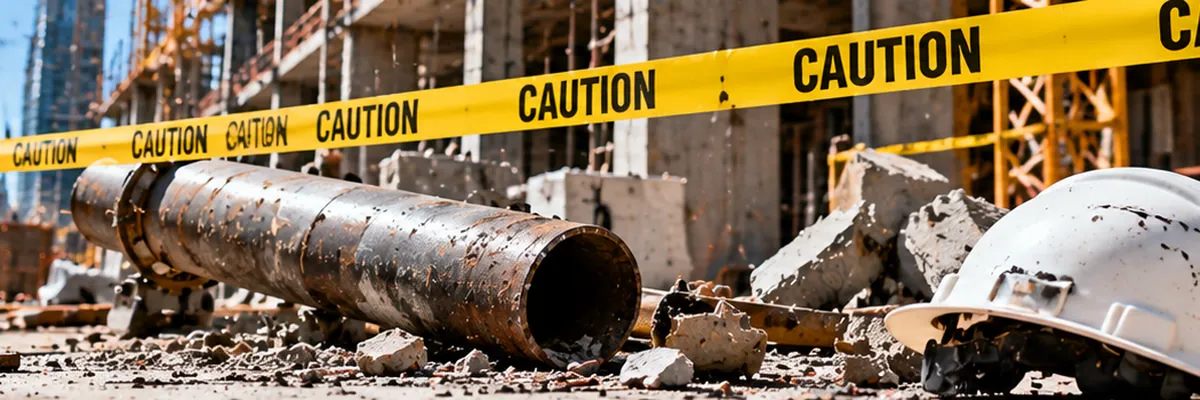
Construction workers may be struck by hand tools dropped from scaffolds, masonry or concrete released during demolition, pipes and lumber stored near edges, materials falling through openings, crane or hoist loads, unsecured equipment, or components that detach during installation.
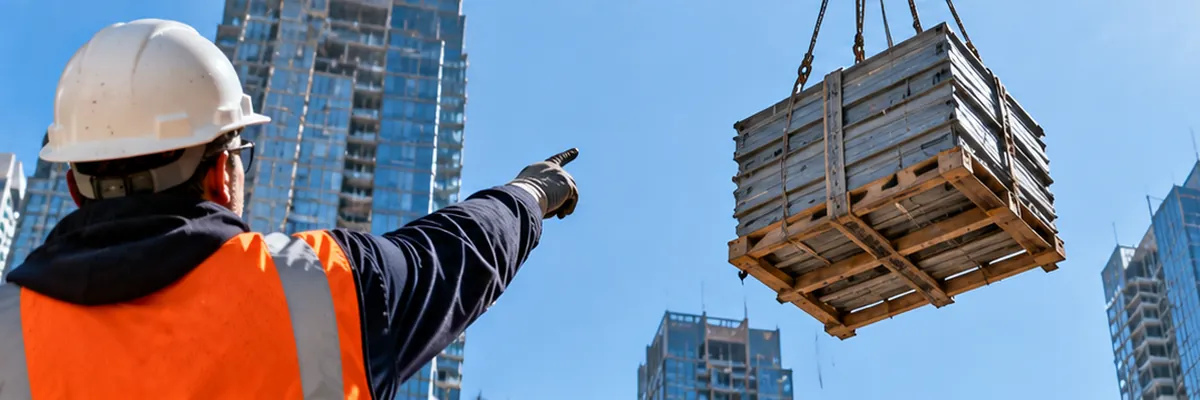
An accident can also occur when a load swings, shifts, or is improperly rigged. The source, height, weight, securing method, lifting operation, and work being performed can all matter when reconstructing what happened.
OSHA’s construction fall-protection rules include requirements addressing falling-object exposure. Protective measures can include toeboards, screens, guardrail systems, canopies, barricading areas below, and keeping materials far enough from edges so they do not fall to lower levels. The correct measure depends on the work and hazard.
Other OSHA construction rules may apply to cranes, scaffolds, steel erection, material handling, head protection, and specific trades. An investigation should identify the activity that produced the falling object rather than assuming one safety rule applies to every incident.
Small objects can cause major injuries when they fall from height. A wrench, fitting, piece of masonry, bolt, or length of pipe can gain substantial force before striking a worker. Larger materials may also crush or trap workers.
After an incident, investigators may examine where materials were stored, whether openings or edges were protected, whether tools or materials were secured, whether exclusion zones were established, and whether workers below were exposed to overhead operations.
Falling-object cases can overlap with crane and hoisting accidents. Loads may fall because of rigging problems, equipment failure, improper attachment, load movement, communication errors, or unsafe lifting practices.
Evidence can include load information, rigging equipment, inspection records, lift plans, crane or hoist records, operator logs, photographs, video, radio communications when available, and witness statements. Damaged rigging or equipment should be preserved when its condition may help explain the failure.
New York Labor Law § 240 requires covered owners, contractors, and their agents to furnish or erect specified safety devices so that workers performing covered construction-related work receive proper protection. The statute expressly identifies devices such as scaffolding, hoists, slings, blocks, pulleys, braces, irons, and ropes.
Falling-object claims under § 240 are fact-specific and generally involve elevation-related risks. Whether the statute applies depends on matters such as the work being performed, the object, the height differential, the need for securing or safety devices, and the parties involved. A falling object does not automatically create § 240 liability.
A worker injured in the course of employment may be eligible for New York workers’ compensation benefits. The Workers’ Compensation Board states that benefits can pay for medical care and provide some wage replacement when a job-related injury prevents a worker from working or reduces earnings.
The Board instructs injured workers to notify their employer within 30 days and file Employee Claim Form C-3 as soon as possible. For accidental injuries, the Board states that Form C-3 generally must be filed within two years of the accident, subject to applicable rules and exceptions.
Potentially. Workers’ compensation is generally distinct from a personal injury action against a third party. A separate claim may need to be evaluated when a property owner, general contractor, subcontractor, equipment company, manufacturer, or another entity bears legal responsibility for the hazard.
Contracts, control of the work, ownership of equipment, material-handling responsibilities, site-safety duties, and the specific reason the object fell can help identify which parties should be investigated.
Falling objects can cause traumatic brain injuries, skull and facial fractures, neck and spinal injuries, shoulder injuries, broken bones, crush injuries, internal trauma, lacerations, and fatalities. Hard hats are important protective equipment, but they cannot eliminate every overhead hazard or prevent all serious injuries.
Workers should obtain appropriate medical care after a significant impact, especially when symptoms involve loss of consciousness, confusion, severe headache, neck or back pain, weakness, numbness, breathing problems, or other concerning changes.
Construction sites change quickly after an accident. Debris may be removed, materials restacked, openings covered, rigging replaced, or work resumed. Early documentation can help preserve the conditions that existed at the time of the incident.
Useful evidence may include photographs and video, the fallen object, damaged equipment or rigging, surveillance footage, incident reports, witness information, contracts, inspection records, safety meeting documents, material-storage records, lift plans, and project logs. Depending on the case, construction-safety, engineering, medical, or other experts may assist.
Seek appropriate medical treatment and report the accident through required workplace procedures. Preserve medical records, wage information, accident reports, workers’ compensation documents, photographs, and communications concerning the event.
If your condition permits, identify witnesses and document the work area from a safe location. Do not enter an exclusion zone, approach a suspended load, climb to an unsafe elevation, or disturb unstable materials to obtain evidence.
Consider obtaining legal advice before signing a release or providing a detailed recorded statement to an insurer or another party whose interests may differ from yours.
Depending on the type of claim, available benefits or damages may address medical care, lost wages, reduced earning capacity, rehabilitation, pain and suffering, disability, and other legally recognized losses. Workers’ compensation and third-party claims follow different rules.
The amount and type of recovery depend on medical evidence, liability, employment consequences, insurance, and other case-specific circumstances. No particular result can be determined simply from the weight or height of the object.
If you were struck by falling debris, tools, construction materials, a suspended load, or another object on a New York City job site, NYC Construction Accident Lawyers can review the incident and explain the legal options supported by the facts.
Contact the firm for a confidential consultation regarding workers’ compensation and any potential third-party construction accident claims.