
Electrical hazards are present on construction sites throughout New York City. Temporary wiring, energized equipment, overhead power lines, damaged cords, wet work areas, unfinished electrical systems, and heavy machinery can expose workers to electric shock and electrocution. An electrical incident can cause burns, heart complications, nerve damage, falls, brain injuries, or death.
If you were injured by electricity while working on a construction project, an NYC electrocution lawyer can investigate how the incident occurred, identify the companies responsible for site safety, and determine whether workers’ compensation, New York Labor Law, negligence, or another claim may apply. The legal analysis depends on the work being performed, the source of the electrical hazard, and the parties involved.
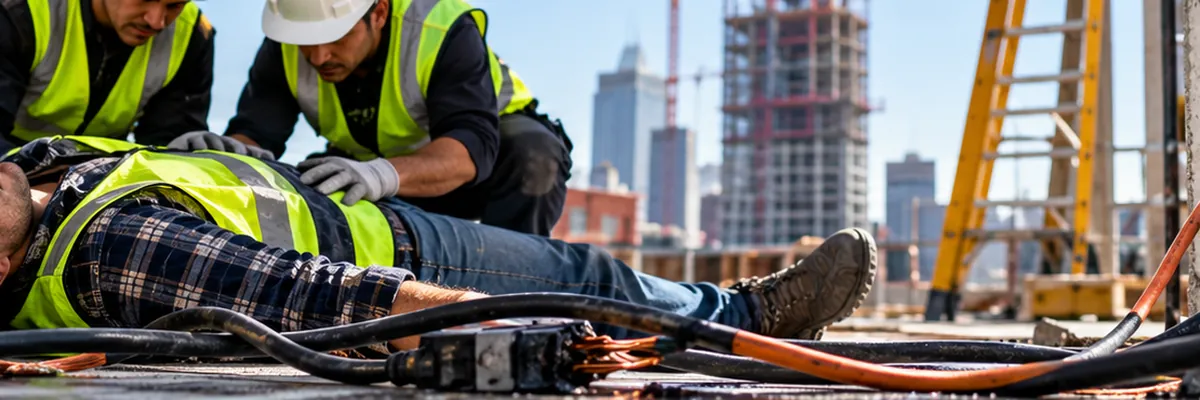
OSHA recognizes electricity as a serious workplace hazard and identifies common causes of electrical injuries such as contact with power lines, missing ground-fault protection, improper grounding, misuse of equipment, and unsafe extension or flexible cords. Construction workers can also encounter exposed conductors, damaged tools, temporary power systems, and energized circuits.
Electrical accidents are not limited to electricians. Laborers, carpenters, roofers, equipment operators, ironworkers, painters, demolition crews, and others may work near energized systems. A crane, lift, ladder, tool, or piece of material can also create an electrical contact hazard.
Electrical current can affect the body in different ways depending on voltage, current path, duration of contact, and other circumstances. Injuries may include electrical and thermal burns, nerve or muscle damage, cardiac complications, loss of consciousness, traumatic brain injuries, and orthopedic injuries caused by a secondary fall.
Some effects may not be obvious at the scene. Workers who experience a significant electrical shock should obtain appropriate medical evaluation and describe the electrical exposure and any related fall or impact to the treating provider.
New York Labor Law can be relevant when an electrical injury occurs during construction, excavation, demolition, repair, or related work. Labor Law § 241 requires covered construction, excavation, and demolition areas to be arranged and operated to provide reasonable and adequate protection and safety. Claims under § 241(6) can depend on an applicable Industrial Code provision and the facts of the incident.
Other legal theories may also apply. The roles of the owner, general contractor, subcontractors, electrical contractors, construction manager, equipment companies, and other entities should be examined rather than assuming the worker’s direct employer is the only relevant party.
Federal construction rules address electrical hazards. OSHA’s construction standard at 29 CFR 1926.416 generally prohibits permitting an employee to work close enough to an electric power circuit to contact it unless the employee is protected by deenergizing and grounding the circuit or by effective guarding, insulation, or other means.
OSHA also instructs employers to determine before work begins whether exposed or concealed energized circuits are positioned so that a person, tool, or machine could make physical or electrical contact. These requirements can be important evidence in an investigation, although the legal effect of any safety violation depends on the claim and circumstances.
A construction worker injured in the course of employment may be eligible for New York workers’ compensation benefits. The Workers’ Compensation Board states that benefits can pay for medical care and provide some wage replacement when a worker cannot work or earns less because of a job-related injury.
Workers generally must notify their employer within 30 days and should file Form C-3 with the Board as soon as possible; the Board states that an accidental-injury claim generally must be filed within two years of the accident. Separate rules and exceptions can apply, so prompt action is important.
Potentially. Workers’ compensation and a third-party personal injury action are different legal avenues. A third-party claim may exist when someone other than the direct employer bears legal responsibility for the dangerous condition or conduct that caused the injury.
Depending on the project, potentially relevant parties may include property owners, general contractors, electrical subcontractors, construction managers, equipment manufacturers, utility-related entities, or other contractors. Contracts, site records, control of the work, and the source of the electrical hazard can help determine which parties should be investigated.
Electrical conditions can change quickly after an accident. Power may be shut off, wiring replaced, tools removed, temporary systems dismantled, or equipment repaired. Preserving evidence early can therefore be especially important.
Useful evidence may include photographs and video, damaged tools and cords, circuit and panel information, electrical plans, lockout or deenergization records, inspection reports, witness statements, incident reports, safety meeting records, contracts, training documents, and information about the equipment involved. When appropriate, qualified electrical or engineering experts may assist with technical issues.
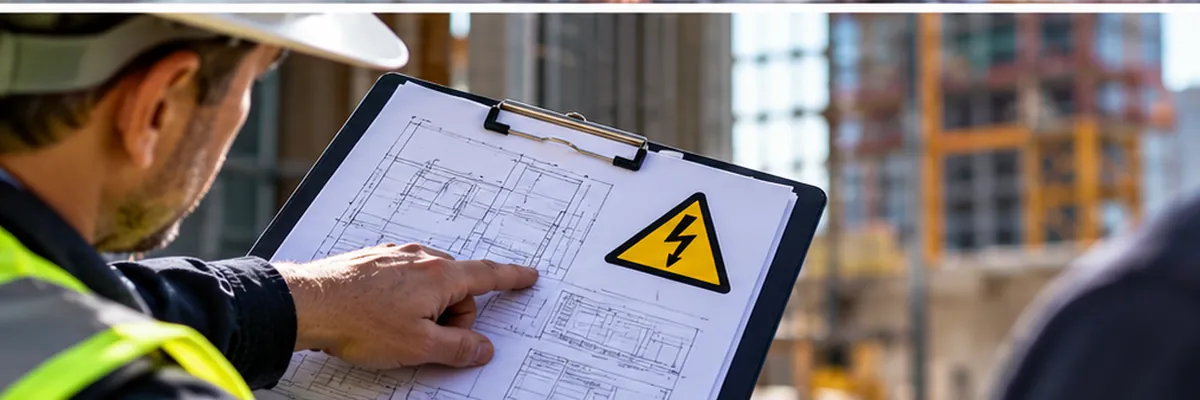
Obtain emergency or follow-up medical care as appropriate and report the incident through required workplace procedures. Preserve medical records, wage information, accident reports, photographs, and communications concerning the event.
If your condition permits, identify witnesses and document the electrical source, equipment, cords, panels, warning signs, and surrounding work area without approaching an energized hazard. Do not handle or test electrical equipment yourself after an incident. Evidence preservation should be performed safely by qualified people.
Before signing a release or providing a detailed recorded statement to an insurer or another party whose interests may differ from yours, consider obtaining legal advice.
Electrical incidents can be fatal. When a construction worker dies after an electrocution, the worker’s estate and eligible family members may have rights involving workers’ compensation death benefits and, depending on the facts, potential wrongful-death or other claims against responsible third parties.
Fatal-accident investigations should address the electrical source, project participants, safety procedures, equipment, witnesses, and preservation of physical evidence. The legal requirements and deadlines differ among potential claims.
An attorney handling a construction electrical injury can coordinate the legal investigation while the worker focuses on medical treatment. That work may include identifying project participants, preserving evidence, obtaining contracts and safety records, reviewing workers’ compensation issues, evaluating Labor Law and negligence theories, and communicating with insurers.
Serious electrical injuries can create long-term medical expenses, lost earnings, reduced earning capacity, rehabilitation needs, pain and suffering, and other losses. The damages available in a third-party action depend on the injuries, liability evidence, applicable law, insurance, and other case-specific facts.
If you were injured by electrical current on a New York City construction site, the accident should be evaluated promptly. NYC Construction Accident Lawyers can review incidents involving power lines, temporary wiring, energized equipment, damaged cords, cranes, ladders, tools, and other electrical hazards.
Contact the firm for a confidential consultation about workers’ compensation and any additional claims that may be supported by the facts.