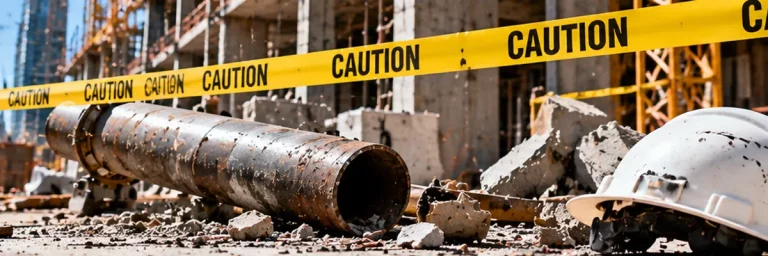
What Is New York's Scaffold Law? Labor Law 240 Explained
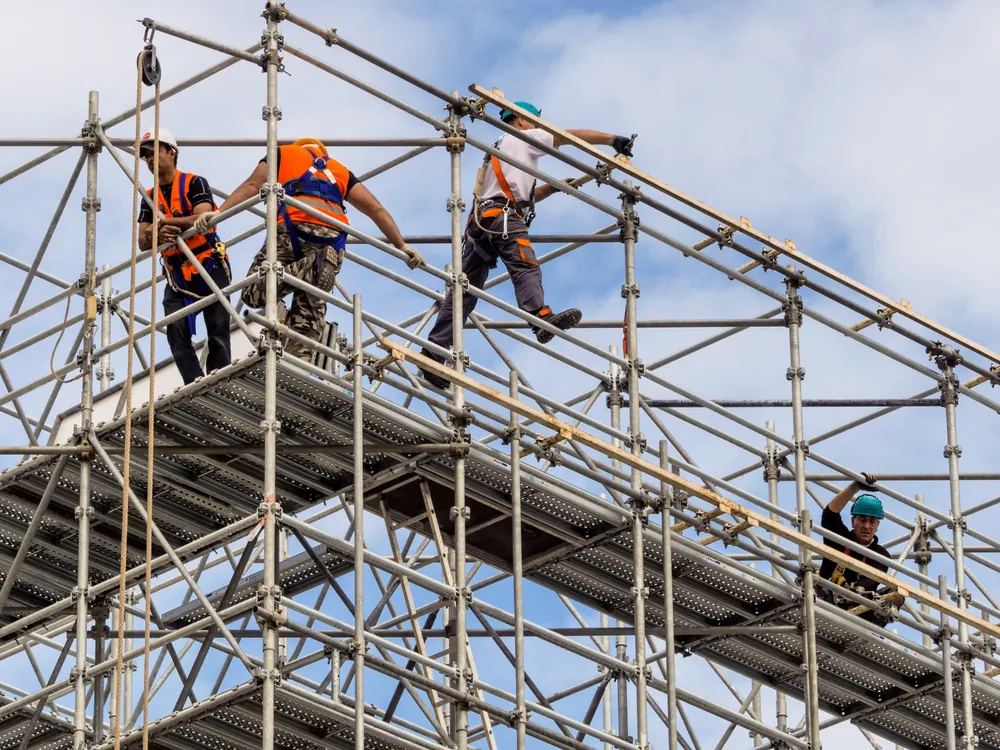
If you work construction in New York, one law protects you more than any other: Labor Law § 240, known as the "Scaffold Law." It applies to almost every gravity-related accident on a job site — falls from scaffolds, ladders, roofs, and hoists, and injuries from falling objects that should have been secured.
Strict Liability: Why the Scaffold Law Is So Powerful
Unlike ordinary negligence claims, Labor Law 240 imposes strict liability on property owners and general contractors. If the required safety device was missing, defective, or inadequate and you were hurt because of it, the owner and GC are liable — even if they never set foot on the site, and even if you were partly careless.
That means comparative fault, which reduces compensation in most injury cases, is generally not a defense in a Scaffold Law claim.
Accidents Covered by Labor Law 240
- Falls from scaffolds, ladders, and elevated platforms
- Falls through unguarded openings, skylights, and roofs
- Collapsing hoists, pulleys, and rigging
- Objects falling from above that were not properly hoisted or secured
Injuries in construction average 71% higher than all other industries — and falls from height remain the number one cause of death on New York job sites.
What Compensation Can You Recover?
A successful Labor Law 240 claim can recover far more than workers' compensation alone: full lost wages and future earnings, all medical and rehabilitation costs, and pain and suffering. In fatal accidents, the worker's family may bring a wrongful death claim.
What to Do After a Fall on a Job Site
Get medical care immediately and report the accident to your supervisor. Photograph the scene, the equipment, and your injuries if you can, and collect witness names. Then speak to a construction accident lawyer before giving any statement to an insurance company — deadlines can be as short as 90 days on public projects.